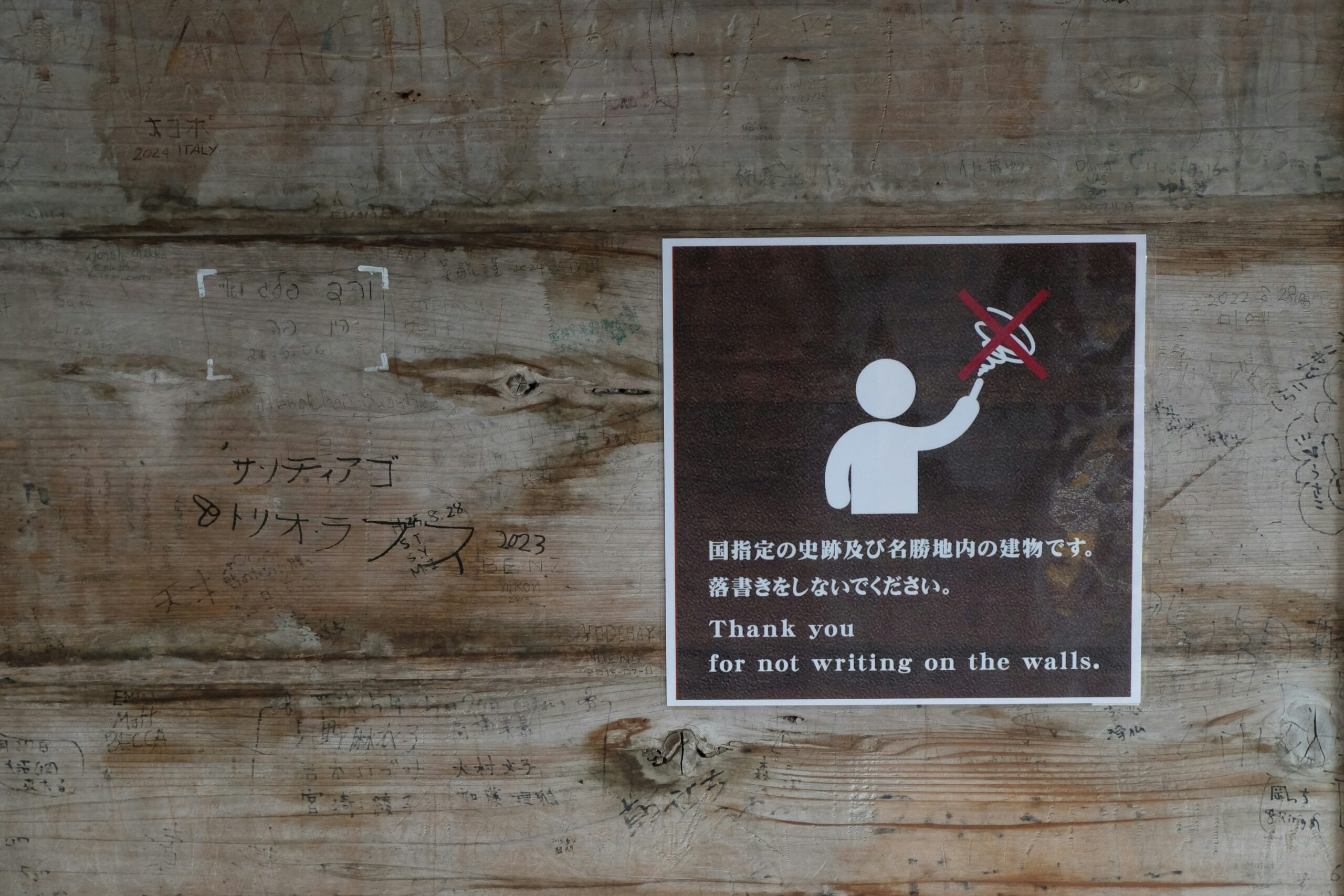
The increasing interconnectedness of global systems necessitates precise information exchange. In various high-stakes domains, the accurate transmission of meaning across linguistic barriers is critical. When this transmission directly impacts the prevention of harm, injury, or system failure, translation transcends a simple linguistic act, evolving into a safety system. This article explores the scenarios, mechanisms, and challenges involved when translation assumes this vital role.
The distinction between general translation and safety-critical translation lies in the potential consequences of error. While a mistranslation in a literary work might alter artistic intent, a mistranslation in a medical dosage instruction can have fatal outcomes. Understanding these critical scenarios is the first step in recognizing translation’s role as a safety system.
Medical and Pharmaceutical Translations
The global nature of healthcare, from drug development to patient care, heavily relies on accurate translation. Misunderstandings can lead to adverse events, incorrect diagnoses, or ineffective treatments.
- Drug Information Leaflets (DILs): These documents, accompanying every pharmaceutical product, detail dosage, administration, side effects, and contraindications. Translation errors here directly impact patient safety. For example, a misplaced decimal point in a dosage could lead to a tenfold overdose or underdose.
- Medical Device Instructions for Use (IFUs): Operating a complex medical device, such as a ventilator or an MRI machine, requires precise instructions. Any ambiguity or error in translation can lead to device malfunction or incorrect operation, endangering patients and practitioners.
- Clinical Trial Documentation: The ethical and scientific integrity of clinical trials depends on consistent and accurate information across all participating sites, often spanning multiple languages. Protocols, informed consent forms, and adverse event reports must be translated without altering their meaning, ensuring participant safety and data validity.
- Patient Records: When patients receive care in different countries or by practitioners speaking different languages, their medical history needs to be accurately translated to inform ongoing treatment decisions.
Aviation and Aerospace Documentation
The aviation industry is a highly regulated sector where safety is paramount. International cooperation in manufacturing, maintenance, and operation necessitates rigorous translation protocols.
- Aircraft Maintenance Manuals: These manuals contain detailed instructions for inspecting, repairing, and servicing aircraft components. A single mistranslation regarding torque settings for a critical bolt can compromise structural integrity.
- Flight Operations Manuals: Pilots and ground crew rely on these documents for operational procedures, emergency protocols, and performance data. Errors can lead to incorrect procedures being followed, endangering flights.
- Air Traffic Control (ATC) Communications: While often conducted in English, non-native speakers may require translated protocols or guidance. Even minor misunderstandings in terminology can lead to runway incursions or mid-air incidents.
- Standard Operating Procedures (SOPs): These detailed, step-by-step instructions ensure consistent and safe operation across various roles and locations. Translation ensures these procedures are uniformly understood and applied globally.
Industrial Safety and Engineering
Heavy industry, especially sectors involving hazardous materials or complex machinery, relies on precise communication to prevent accidents.
- Safety Data Sheets (SDSs): These documents provide critical information about hazardous chemicals, including their properties, handling procedures, and emergency measures. Inaccurate translations can lead to improper storage, exposure incidents, or ineffective emergency responses.
- Machinery Operating Instructions: Industrial machinery, from robotic arms to power presses, often comes with multilingual operating instructions. Misinterpreted safety warnings or operational steps can result in severe injuries or equipment damage.
- Construction Safety Guidelines: Large-scale construction projects often employ diverse workforces. Ensuring all workers understand safety protocols, hazard warnings, and emergency procedures requires clear and accurate translation of site-specific guidelines and regulations.
- Nuclear Facility Documentation: The operation and maintenance of nuclear power plants require documentation that is meticulously precise. Even minor translation ambiguities related to procedures or alarms can have catastrophic consequences.
Legal and Regulatory Compliance
In a globalized world, businesses and individuals navigate complex international legal frameworks. Accurate legal translation is essential for justice and compliance.
- International Treaties and Conventions: These documents form the basis of international law and require precise translation to ensure consistent interpretation and application across signatory nations.
- Product Safety Regulations: Ensuring products meet safety standards in different markets requires accurate translation of regulatory texts, testing protocols, and certification documents.
- Forensic Evidence and Court Documents: In international legal proceedings, evidence, witness testimonies, and court orders often need to be translated. Accuracy is paramount to avoid miscarriages of justice. For instance, a mistranslated confession could lead to an unjust conviction.
- Export/Import Regulations: Companies dealing with international trade must accurately translate and comply with customs regulations, phytosanitary requirements, and import restrictions to avoid penalties or rejected shipments.
In the context of understanding the critical role of translation in safety systems, an insightful article that complements the discussion is available at this link: Request a Quote for Translation Services. This article highlights the importance of accurate translation in various industries, emphasizing how effective communication can prevent misunderstandings and enhance safety protocols. By exploring the nuances of translation services, it sheds light on how these services can be vital in ensuring that safety information is conveyed clearly and effectively across different languages and cultures.
Mechanisms of Safety-Critical Translation
Recognizing that translation can be a safety system is only the first step. Understanding the mechanisms employed to ensure its reliability is equally important. These mechanisms address human factors, linguistic complexities, and technological aids.
Human Expertise and Qualification
The competence of the translator is the primary safeguard. General linguistic proficiency is insufficient for safety-critical contexts.
- Domain Specialization: Translators must possess not only linguistic skills but also deep subject matter expertise in the relevant field (e.g., medicine, aviation, engineering). This allows them to understand the nuances, terminology, and functional context of the source text. A medical translator, for example, understands the difference between ‘myocardial infarction’ and ‘heart attack’ and their appropriate usage in different contexts.
- Certification and Accreditation: Professional certification bodies often validate a translator’s skills and specialization. This provides an external benchmark of competence.
- Continuous Professional Development: Fields like medicine and technology evolve rapidly. Safety-critical translators must continuously update their knowledge and terminology to remain effective.
- Native Speaker Principle: While not always strictly adhered to, translating into one’s native language often provides a higher degree of accuracy and naturalness, reducing the risk of unintended semantic shifts.
Quality Assurance Processes
Rigorous multi-stage processes are essential to catch errors that a single translator might miss. This is the safety net built into the translation workflow.
- Translation-Proofreading-Editing (TPE) Model: The source text is translated by one professional, proofread against the source for accuracy by a second, and then edited for stylistic quality and coherence by a third. This multi-eye approach significantly reduces error rates.
- Back-Translation: In highly sensitive cases, the translated text is translated back into the original source language by an independent translator who has not seen the original source. A comparison of the original source and the back-translated text identifies discrepancies in meaning. This is a powerful method, akin to “double-checking the checksum.”
- Subject Matter Expert (SME) Review: After linguistic review, the translated document is often reviewed by a domain expert who is a native speaker of the target language. This ensures the terminology is correct, the technical content accurate, and the text adheres to industry standards in the target culture.
- Client Review and Feedback: Involving the client, particularly those with internal language capabilities or target-country representatives, in the review process provides an additional layer of verification.
Structured Terminology Management
Consistency in terminology is a cornerstone of clear and safe communication. Ambiguity breeds error.
- TermBase (TB) Creation and Management: Glossaries and termbases store approved terminology for specific projects or clients. This ensures that a single concept is always translated consistently, preventing confusion. For example, ensuring that “ventilator” is consistently translated in all medical device documentation.
- Style Guides: These documents provide instructions on tone, formatting, grammatical conventions, and linguistic preferences. Adherence to a style guide ensures consistency and readability, thereby reducing potential misinterpretations.
- Translation Memory (TM) Systems: While primarily productivity tools, TMs also promote consistency by storing previously translated segments. This avoids re-translation of identical sentences and ensures consistency across documents and projects.
Regulatory Compliance and Standards
Adherence to established standards provides a framework for ensuring quality and reducing risk.
- ISO 17100:2015: This international standard specifies requirements for translation service providers concerning human and technical resources, quality and project management, client relationship, and feedback procedures. Compliance indicates a commitment to quality.
- Industry-Specific Regulations: Many regulated industries have their own specific requirements for translation. For example, pharmaceutical companies must comply with regulations from agencies like the FDA (U.S.) or EMA (Europe) regarding the translation of drug labels and clinical trial documents.
- Traceability: Maintaining detailed records of the translation process, including translator qualifications, review cycles, and feedback, allows for auditing and accountability, critical in safety-critical incident investigations.
Challenges in Safety-Critical Translation

Despite meticulous processes, challenges persist, acting as potential fault lines within the safety system. Recognizing and mitigating these challenges is ongoing work.
Linguistic Ambiguity and Nuance
Languages are not deterministic systems; inherent ambiguities can be difficult to resolve, even for experts.
- Polysemy: Words with multiple meanings can be a source of error. For example, “set” in English has numerous definitions. The correct translation depends heavily on context, which may not always be explicitly clear in the source text.
- Homonyms and Homographs: Words that sound or look alike but have different meanings can lead to confusion.
- Idioms and Cultural References: Direct translation of idioms often results in nonsense or unintended meanings. Translators must identify and adapt these culturally specific expressions to convey the intended meaning in the target language.
- Syntactic Ambiguity: Sentence structures can sometimes be interpreted in multiple ways, especially in absence of clear punctuation or explicit grammatical cues. This can lead to different interpretations of instructions or warnings.
Contextual Gaps and Source Text Issues
A poorly written or incomplete source text is a fundamental weakness in the translation safety system, regardless of the translator’s skill.
- Vague or Incomplete Source Text: If the original document is unclear, ambiguous, or lacks crucial information, even the most skilled translator cannot magically infer the correct meaning. This is like trying to build a house with incomplete blueprints.
- Errors in the Source Text: Translators are not typically tasked with correcting source text errors, but these errors will propagate if not identified. A safety-critical translation process often includes a review of the source text for clarity and accuracy.
- Formatting Discrepancies: Inconsistent formatting or layout can obscure the intended meaning or hierarchy of information, particularly in complex technical documents.
Time and Cost Pressures
The need for speed and cost efficiency can exert pressure on quality, a dangerous trade-off in safety-critical contexts.
- Expedited Turnarounds: Rushing translation processes can compromise the effectiveness of quality assurance steps, increasing the likelihood of errors. Skipping a review step to meet a deadline can have severe consequences.
- Under-resourcing: Budget constraints might lead to hiring less qualified translators or omitting crucial review stages, ultimately risking safety for financial savings.
- Machine Translation (MT) Over-reliance: While MT has advanced, unedited raw MT output is not typically suitable for safety-critical applications. Human post-editing is essential, but if rushed or inadequate, it can introduce new errors or fail to address existing ones.
Technological Limitations
While technology aids efficiency, it also presents its own set of challenges.
- Lack of Context in CAT Tools: Computer-Assisted Translation (CAT) tools process segments of text, which can sometimes isolate words or phrases from their broader context, making it harder for the translator to resolve ambiguities.
- Software Glitches and Compatibility Issues: Technical problems with translation software, termbase management systems, or file formats can disrupt workflows and potentially introduce errors or delays.
- Security Concerns: Handling sensitive or proprietary safety-critical information requires robust data security measures to prevent breaches or tampering during the translation process.
Building a Robust Translation Safety System

Mitigating these challenges requires a systematic and proactive approach, integrating translation into the overall safety management framework.
Integration with Risk Management
Translation should not be an isolated, post-hoc activity but an integral part of an organization’s risk management strategy.
- Translation Risk Assessment: Prior to any translation project, assessing the potential risks associated with miscommunication is crucial. This helps determine the level of quality assurance required. Is this a blog post or a critical instruction manual?
- Failure Mode and Effects Analysis (FMEA): Applying FMEA to the translation process can identify potential failure points (e.g., unqualified translator, missed review step) and their potential impact on safety, allowing for preventative measures.
- Contingency Planning: Having plans in place for addressing translation errors, should they occur, including immediate corrective actions and communication protocols.
Collaborative Workflows
Effective safety-critical translation often involves a collaboration between various stakeholders beyond just the translation team.
- Client Engagement: Active involvement of the client in providing clear source texts, access to SMEs, and prompt feedback greatly enhances translation quality. The client is the ultimate authority on original intent.
- Cross-Functional Teams: Bringing together linguists, subject matter experts, engineers, and legal professionals to review and validate translated documents ensures accuracy from multiple perspectives.
- Feedback Loops: Establishing clear channels for reporting translation issues and incorporating feedback into subsequent projects leads to continuous improvement. Learning from past mistakes is crucial.
Investment in Resources
| Metric | Description | Example Value | Impact on Safety |
|---|---|---|---|
| Translation Accuracy | Percentage of correctly translated safety instructions | 98% | High accuracy reduces misinterpretation and accidents |
| Response Time | Time taken to translate emergency alerts | 2 seconds | Faster translations enable quicker safety responses |
| Language Coverage | Number of languages supported in safety communications | 15 languages | Broader coverage ensures inclusivity and understanding |
| Error Rate | Frequency of translation errors in safety messages | 0.5% | Lower error rates minimize risk of misinformation |
| User Comprehension Rate | Percentage of users correctly understanding translated safety info | 95% | Higher comprehension improves adherence to safety protocols |
Prioritizing safety means allocating adequate resources to the translation function.
- Skilled Personnel: Investing in highly qualified, specialized, and certified translators and reviewers is fundamental. Treat translators as safety engineers for language.
- Advanced Tools and Technology: Providing translators with state-of-the-art CAT tools, terminology management systems, and quality assurance software enhances both efficiency and accuracy.
- Training and Development: Ongoing training for translators on new regulations, technologies, and subject matter developments is essential to maintain high standards.
Auditing and Oversight
Regular assessment of the translation process ensures its continued effectiveness as a safety system.
- Process Audits: Periodically reviewing the translation workflow against established standards (e.g., ISO 17100) and internal protocols ensures compliance and identifies areas for improvement.
- Performance Metrics: Tracking error rates, turnaround times for critical translations, and client satisfaction provides quantitative data for evaluating the effectiveness of the translation safety system.
- Regulatory Inspections: In highly regulated industries, translation processes and documentation may be subject to inspection by regulatory bodies, ensuring external compliance pressure.
In exploring the critical role of translation in ensuring safety, it is insightful to consider the article on how translation and localization can bridge cultural gaps, which can be found here. This piece delves into case studies that highlight the importance of accurate communication in various contexts, emphasizing that effective translation not only facilitates understanding but also plays a vital role in preventing misunderstandings that could lead to safety hazards.
Conclusion
When human lives, environmental integrity, or critical infrastructure are at stake, translation transcends a simple linguistic service. It becomes an invisible but integral layer of defense, a safety system in itself. The accurate transfer of meaning across language barriers prevents errors, mitigates risks, and assures the proper functioning of complex global systems. Recognizing translation’s role in this capacity demands rigorous processes, skilled human intervention, and continuous investment. Ignoring its significance in these contexts is akin to operating a complex machine with an incomplete user manual – an invitation to systemic failure. As the world becomes more intertwined, the role of translation as a safety system will only grow in importance and complexity, requiring ongoing vigilance and commitment.
FAQs
What is the main idea behind “When Translation Becomes a Safety System”?
The article discusses how translation services and technologies can play a critical role in ensuring safety, particularly in environments where clear communication is essential to prevent accidents and misunderstandings.
How does translation contribute to safety systems?
Translation helps by accurately conveying important safety information, instructions, warnings, and protocols across different languages, reducing the risk of errors caused by language barriers.
In which industries is translation as a safety system most commonly applied?
Translation as a safety system is commonly applied in industries such as healthcare, manufacturing, aviation, construction, and emergency services, where precise communication is vital for safety.
What technologies support translation in safety systems?
Technologies such as real-time translation devices, multilingual signage, translation software, and AI-powered language tools support the integration of translation into safety systems.
What are the challenges of using translation as a safety system?
Challenges include ensuring translation accuracy, managing cultural differences, maintaining up-to-date information, and integrating translation tools seamlessly into existing safety protocols.

 French
  English
Comments are closed