
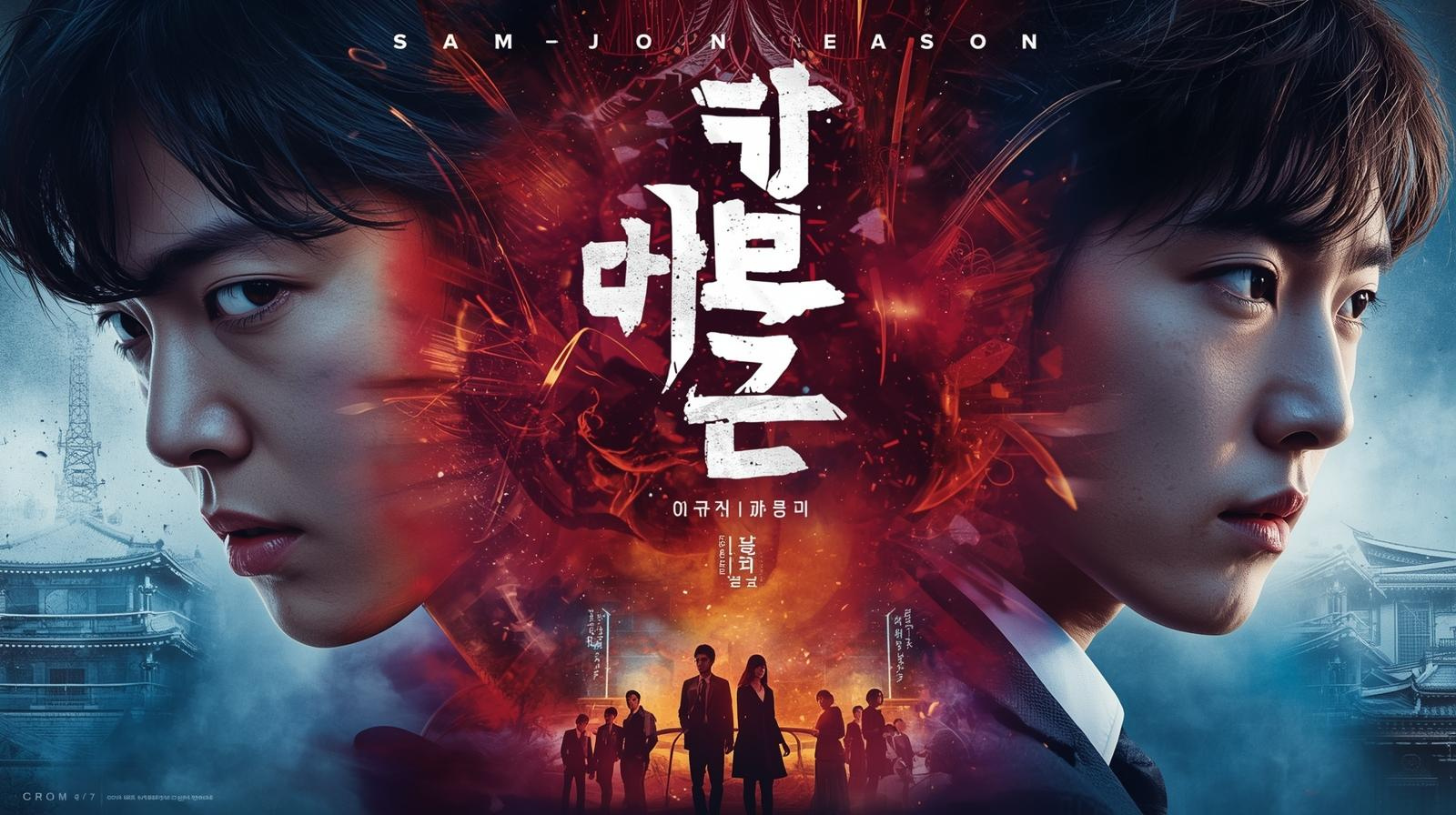
A lot of you have asked me to say something about this, so here it is!
Subtitles aren’t just words on a screen.
When localizing K-Drama — especially from Korean to English — the goal isn’t to say the same thing, it’s to make viewers feel the same thing.
To understand our process at Etranslation, let’s break down some of the challenges we face and see how we overcome them!
1. Korean Has Built-In Social Hierarchy — English Does Not
The challenge: That’s indeed a challenge. I am not a pro when it comes to Asian languages, but Korean, Tagalog (Filipino) and many more Asian languages use expression like: “Oppa“, “Kuya” which literally mean older Brother (or a form of respect given to a man who is older).
And these are some of the elements to take into consideration when localizing. Because the speech changes depending on: The age difference, the status, the familiarity, the respect and the emotional distance.
For instance, one switch in honorifics (“Oppa”, “ssi”, ‘Sunbae”) can reveal a lot. It could reveal a romantic interest, familiarity, friendship level and even tension or rivalry.
The solution: In English, there is no equivalent system. Translators show hierarchy through: Word choice, Tone, gesture in subtitles and character dynamics.
Let’s take a clear example: “오빠” (oppa) Literally means Older Brother. Real meaning: “older guy I trust,” often romantic, flirty, or affectionate. If translated literally, it feels awkward. If not translated, the emotional nuance is lost.
The right subtitle approach therefore is:
Korean line: “오빠, 오늘 진짜 고마워.”
Natural English: “Thanks for today… it really meant a lot to me.”
The meaning is preserved, not the word.
2. Wordplay, Jokes, and Idioms Rarely Transfer
The challenge: Korean humor relies a lot on puns, double meaning, cultural references and regional dialects. And these cannot be translated.
The solution: In a lot of circumstances, our team of translators have to create a new joke that will fit the scene tone.
For example, a joke featuring a Korean celebrity could be replaced by using a Western celebrity, a situational joke or a sarcastic line.
The goal is to make the viewers laugh at the same time, even if the joke is not the same.
3. Cultural Gestures Need Translation Too
Korean dramas rely on non-verbal cues such as: the back-hug, the shoelace-tying moment, the forehead-touching for fever, emotional silence, and of course the respectful head bows.
But those mean nothing to someone unfamiliar with Korean culture.
Subtitle are also used to convey micro context. For example: “(He bows respectfully)” “(She gives a comforting back-hug)”
Not to explain culture — but to preserve emotional meaning.
4. English Timing Constraints
The challenge: Korean sentences are often fast-paced, shorter and compact. English subtitles must sync with actors’ expressions, need more characters, must fit on screen, must match reading speed.
The solution: Localizers often compress 12–15 Korean syllables into 30–35 English characters.
It’s indeed a micro surgery!
But the result is a translation that keeps the “punch” while fitting the timing.
Conclusion
Korean-to-English K-Drama localization isn’t about language conversion. It’s about cultural interpretation, emotional replication, and story preservation.
That’s why K-Drama feels magical in every language — because Etranslation turns Korean emotion into universal emotion.
Contact us with your project, we will help You reach a greater audience.
Comments are closed